
SEO in 2026 is no longer just about keywords and backlinks. It has evolved into a strategic digital marketing system focused on user experience, AI integration, and search intent. If you are a business owner, marketer, or website professional, understanding how SEO has changed is essential to stay competitive in search rankings.
This blog explains what worked in the past, what defines SEO in 2026, and which strategies still deliver results.
What Was SEO Like Before 2020?
In the early days, SEO was mainly technical and keyword-driven. Many professionals focused on manipulating ranking factors rather than improving user experience.
Common practices included:
- Exact match domains
- Bulk backlink creation
- Thin blog content
- Desktop-first website optimization
Search engines like Google used simpler algorithms. Ranking high often meant repeating the same keyword multiple times and building as many backlinks as possible.
Did keyword stuffing really help websites rank?
Yes, in the past, repeating a keyword frequently could improve rankings. However, algorithm updates penalized such tactics. Today, search engines understand context and intent rather than just keyword density.
How Has SEO Changed in 2026?
SEO in 2026 focuses on search intent, authority, and AI-driven experiences. It is deeply connected with overall digital marketing strategy.
1. AI-Powered Search Experience
With AI technologies and conversational search tools influenced by companies like OpenAI, search engines now deliver summarized answers directly in search results.
How does AI affect SEO in 2026?
AI changes how content is displayed. Instead of only showing website links, search engines generate answers. This means content must be:
1.Structured
2.Authoritative
3.Clear and informative
4.Optimized for answer engines
Professionals now optimize not only for search engines but also for AI-generated results.
2. Search Intent Over Keywords
Earlier, ranking depended on matching keywords. Now, search engines analyze:
1.User behaviour
2.Content depth
3.Engagement signals
4.Topical authority
What is search intent in modern SEO?
Search intent refers to the reason behind a search query. For example:
1.Informational intent
2.Transactional intent
3.Navigational intent
4.Commercial investigation
Content that solves user problems ranks better than content that simply repeats keywords.
3. EEAT and Authority Signals
Search engines evaluate:
1.Experience
2.Expertise
3.Authority
4.Trust
Professionals, agencies, and businesses must demonstrate credibility. Author profiles, client testimonials, case studies, and real business information improve trust signals.
Also Read: E-E-A-T in 2026
4. Technical SEO Still Matters
Even in SEO in 2026, technical optimization remains important:
1.Mobile-first indexing
2.Fast loading speed
3.Core Web Vitals
4.Structured data markup
5.Secure HTTPS websites
Also Read: Why is mobile-first indexing important in SEO in 2026?
Most users access websites via mobile devices. Search engines prioritize mobile-friendly websites for ranking.
SEO Then vs SEO in 2026: Key Differences
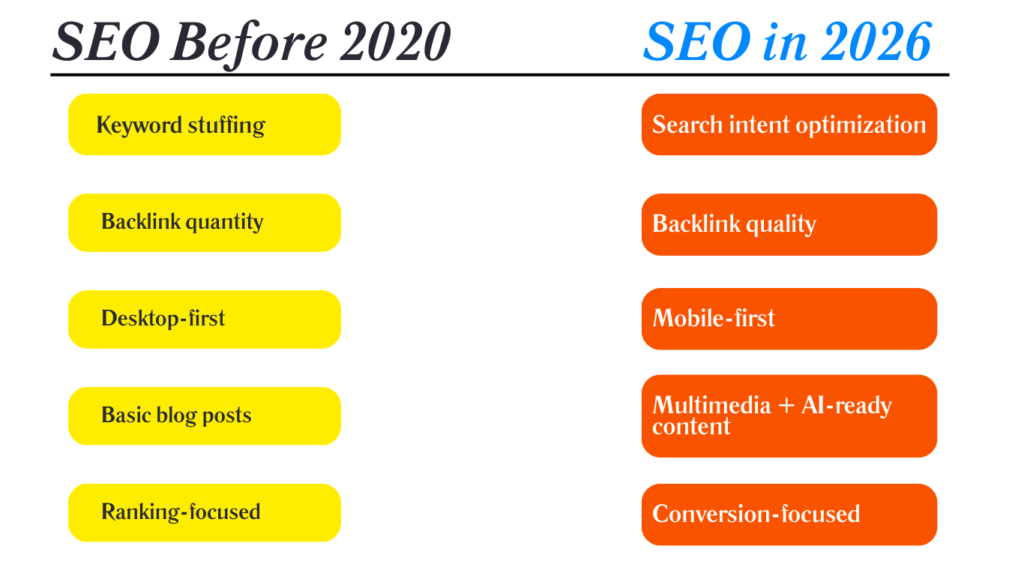
SEO in 2026 integrates content marketing, social media, paid ads, and branding.
What Still Works in SEO in 2026?
Although strategies have evolved, some fundamentals remain powerful.
1. High-Quality Content
Content that answers real questions still ranks.
Types:
1.In-depth guides
2.Problem-solving articles
3.Case studies
4.Industry insights
5.Structured FAQs
2. Strategic Keyword Research
Keywords are still important but used naturally.
Tools help identify:
1.Long tail question keywords
2.Low competition search queries
3.High intent phrases
Instead of targeting “SEO,” professionals now target phrases like:
1.How does SEO work in 2026?
2.What are the latest SEO ranking factors in 2026?
3.Is SEO still worth it for small businesses in 2026?
3. Backlink Quality Over Quantity
Backlinks from trusted websites improve authority. Guest posting, digital PR, and partnerships are more effective than mass directory submissions.
4. Local SEO for Businesses
For local professionals and service providers, local search optimization is crucial.
It Includes:
1.Optimize Google Business Profile
2.Collect genuine customer reviews
3.Use location-based keywords
4.Publish local content
Local SEO drives high-intent traffic and improves conversions.
Why Is SEO Still Valuable for Professionals in 2026?
SEO in 2026 remains one of the most cost-effective digital marketing strategies.
Benefits include:
1.Long-term organic traffic
2.Higher brand authority
3.Better user trust
4.Sustainable lead generation
5.Reduced dependency on paid advertising
Is SEO better than paid ads in 2026?
Paid ads deliver quick traffic, but SEO builds long-term visibility and credibility. A balanced digital marketing strategy combines both.
How to Adapt Your Strategy for SEO in 2026:
1.Focus on content depth and expertise
2.Optimize for search intent and AI summaries
3.Improve website performance
4.Build topical authority
5.Use structured data for better indexing
6.Align SEO with overall digital marketing campaigns
SEO in 2026 is not isolated. It works alongside:
1.Social media marketing
2.Content marketing
3.Email marketing
4.Conversion rate optimization
Future of SEO Beyond 2026
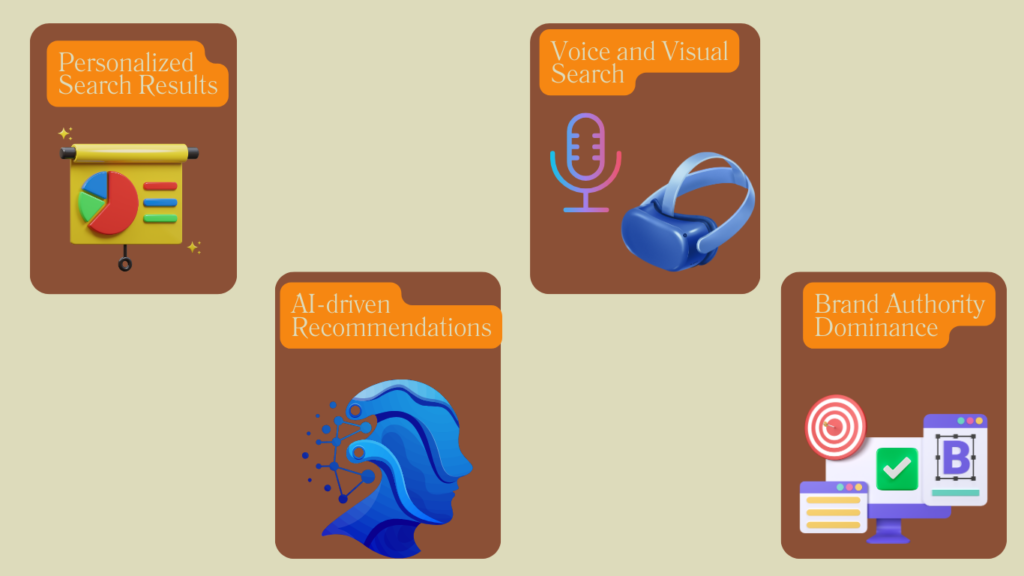
Businesses that invest in modern SEO today will stay competitive tomorrow.
Final Thoughts
SEO in 2026 is smarter, user-focused, and integrated with digital marketing. While outdated tactics no longer work, the core principle remains the same: provide value to users.
Professionals who adapt to AI, prioritize search intent, and maintain technical excellence will continue to rank successfully.
If your strategy still follows old SEO practices, now is the time to upgrade. Modern SEO is not just about rankings—it is about authority, visibility, and sustainable business growth.
Pingback: The Ultimate Google AI Mode SEO Guide for 2026