
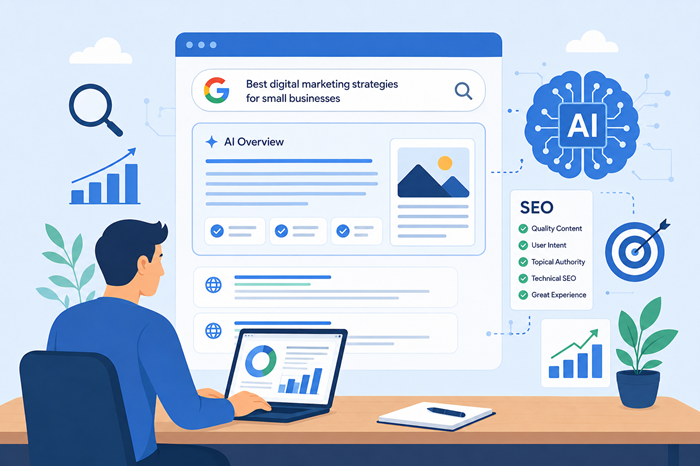
Search has changed dramatically over the last few years. Instead of simply displaying a list of websites, Google is now moving toward AI-powered responses that help users find answers faster. For business owners, this means traditional optimization methods alone are no longer enough. Understanding Google AI mode SEO is becoming essential if you want your website to remain visible and continue attracting qualified visitors.
Whether you run a local business or manage an established brand, adapting your content strategy today can help you stay competitive tomorrow. In this guide, you’ll learn how AI-driven search is changing online visibility, what it means for your website, and the practical steps you can take to prepare for the future.
What Is Google AI Mode?
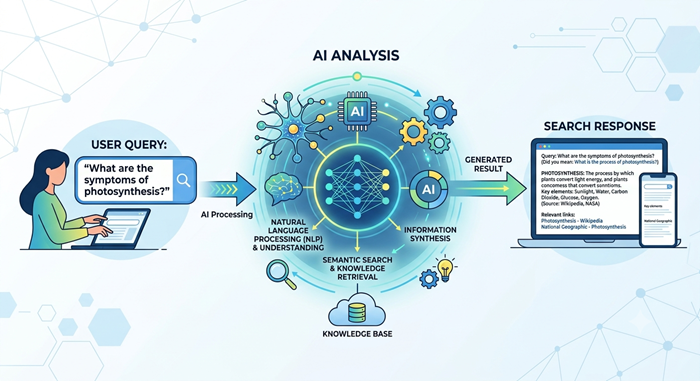
The introduction of google ai has transformed the way people interact with search. One of the biggest developments is AI Mode in Google Search, which allows users to receive AI-generated responses, ask follow-up questions, and explore topics more conversationally. This shift encourages businesses to create content that prioritizes accuracy, expertise, and user intent over traditional ranking tactics.
This evolution encourages businesses to create content that is informative, trustworthy, and genuinely helpful instead of focusing solely on ranking for individual keywords.
As AI-powered search becomes more common, websites that provide unique insights and practical expertise are more likely to earn visibility.
Why Google AI Mode SEO Matters More Than Ever
Many businesses have spent years optimizing their websites for search engines. While those fundamentals remain valuable, Google AI mode SEO requires a broader approach that prioritizes user intent, topical authority, and content quality.
Instead of asking, “How do I rank for this keyword?” businesses should ask, “How can I provide the best answer for my audience?”
Content that demonstrates real expertise, answers follow-up questions, and covers topics comprehensively has a stronger chance of being referenced within AI-generated search experiences.
This shift also explains why many marketers are revisiting their existing strategies. If you’ve noticed how search has evolved over the years, our comparison of SEO Then vs SEO now provides additional insights into the changes shaping today’s search landscape.
How AI-Powered Search Changes User Behaviour
Users no longer search with only short phrases. Instead, they ask complete questions such as:
- Which marketing strategy works best for my business?
- How can I improve website visibility?
- What are the latest search ranking factors?
These conversational searches encourage Google to generate detailed responses before users even click a website.
For businesses, this means content should anticipate follow-up questions instead of answering only a single query.
Building content clusters around a topic helps search engines understand your expertise while improving the overall experience for readers.
Google AI mode SEO rewards websites that solve problems rather than simply targeting isolated keywords.
Key Elements of an AI-Ready Website
Preparing your website for AI-powered search involves more than publishing frequent blog posts.
Create Comprehensive Content
Every article should completely answer the user’s question while naturally covering related topics. Comprehensive content reduces the need for readers to return to search results looking for more information.
Google AI mode SEO favours articles that provide depth without unnecessary repetition.
Demonstrate Real Expertise
Google increasingly evaluates whether content reflects genuine experience. Include practical examples, case studies, original observations, and actionable recommendations whenever possible.
Readers trust businesses that share knowledge gained from real-world projects instead of generic advice.
Improve User Experience
Fast-loading pages, mobile-friendly layouts, clear navigation, and readable formatting help visitors stay engaged.
Short paragraphs, descriptive headings, and logical content flow make information easier to consume for both readers and search systems.
Measure and Improve Continuously
Optimizing your website is not a one-time task. Regularly reviewing content performance, updating outdated information, and monitoring user engagement help you refine your Google AI mode SEO strategy. Continuous improvements ensure your content remains relevant as search technology evolves.
The Growing Importance of Search Intent
One of the biggest mistakes businesses make is creating content around keywords instead of user intent.
For example, someone searching for marketing advice may be researching, comparing services, or preparing to make a purchase. Each stage requires different content.
Google AI mode SEO focuses on matching these intentions by delivering relevant information based on context rather than simple keyword matching.
Understanding what your audience actually wants is often more valuable than chasing search volume alone.
Local Businesses Must Adapt Early
For regional companies, adapting to AI-powered search isn’t optional anymore. Customers increasingly expect accurate, trustworthy answers before making purchasing decisions.
Businesses that invest in educational content, maintain accurate business information, and regularly update their websites are likely to benefit as AI-driven search becomes more sophisticated.
If you’re also improving local visibility, you’ll find our article on how voice search is costing Indian small businesses big useful, as voice and AI search increasingly work together to shape customer behaviour.
Common Mistakes to Avoid
Many websites still rely on outdated optimization tactics that no longer deliver consistent results. If your goal is long-term visibility, avoid these common mistakes.
Publishing Thin Content
Articles that barely answer a question are unlikely to perform well in AI-driven search. Instead, focus on creating complete resources that help readers make informed decisions.
Applying Google AI mode SEO means prioritizing value over volume.
Ignoring Content Updates
Search trends evolve quickly, and older content can lose relevance. Refreshing existing pages with current information, improved examples, and updated statistics helps maintain authority over time.
Regular updates also signal that your website remains active and trustworthy.
Writing Only for Search Engines
Stuffing pages with repetitive keywords creates a poor reading experience. Modern search rewards content that sounds natural, answers real questions, and keeps users engaged.
The objective of Google AI mode SEO is to satisfy readers first while making it easy for search systems to understand your expertise.
A Practical Optimization Checklist
If you’re planning your content strategy for 2026, use this checklist as a starting point:
- Publish original, experience-based content.
- Organize articles with clear heading structures.
- Answer primary and related user questions.
- Improve page speed and mobile usability.
- Add internal links where they genuinely help readers.
- Update older content regularly.
- Build topical authority instead of chasing individual keywords.
- Monitor performance and refine content based on user behaviour.
Following these practices consistently strengthens your Google AI mode SEO strategy over time.
Build Topical Authority
Instead of publishing unrelated articles, focus on creating content around a specific niche. Building topical authority helps search engines better understand your expertise, making your Google AI mode SEO efforts more effective and increasing the likelihood of appearing in AI-generated search responses.
Should Businesses Invest in AI-Focused Optimization?
The answer depends on your long-term goals.
Businesses that rely on organic website traffic cannot afford to ignore changing search behaviour. While paid advertising delivers immediate visibility, sustainable growth often comes from building authoritative content that continues attracting visitors over time.
If you’re evaluating where to invest your marketing budget, our guide comparing SEO or PPC can help you make a more informed decision based on your business objectives.
For many organizations, the best approach combines quality content with continuous optimization rather than depending on a single marketing channel.
How Professional Support Can Help
As search continues to evolve, implementing the right strategy requires technical knowledge, consistent content planning, and ongoing analysis.
Working with experienced professionals offering google ai mode seo services can help businesses identify content opportunities, improve website structure, and build lasting online authority.
If you’re looking for reliable digital marketing services near me, choosing a team that understands emerging search technologies can give your business a significant competitive advantage.
Businesses that adapt early to Google AI mode SEO will be better positioned to earn visibility as AI-powered search becomes the standard experience for users.
Final Thoughts
The future of search is becoming more conversational, intelligent, and user-focused. Businesses that embrace these changes today will be in a stronger position tomorrow.
Rather than chasing algorithm updates, focus on creating genuinely helpful content, improving your website experience, and building trust with your audience.
A successful Google AI mode SEO strategy isn’t about shortcuts—it’s about consistently providing valuable information that deserves to be discovered.
As AI-powered search continues to evolve, businesses that prioritize quality, authority, and user satisfaction will remain ahead of competitors who rely on outdated techniques.
Investing in Google AI mode SEO today is an investment in sustainable online growth for the years ahead.
Frequently Asked Questions
1. What is Google AI Mode SEO?
It is the practice of optimizing content for AI-powered search experiences while focusing on user intent and content quality.
2. Is traditional optimization still important?
Yes, strong website fundamentals remain valuable and support modern AI-driven search visibility.
3. How often should content be updated?
Review important pages every few months to keep information accurate and relevant.
4. Can local businesses benefit from AI-powered search?
Yes, businesses with helpful, trustworthy content are more likely to gain visibility in AI-generated responses.
5. How do I start improving my website?
Begin by auditing existing content, improving user experience, and publishing comprehensive articles regularly.
Pingback: Google Ads vs Facebook Ads: Best for Indian Small Businesses