
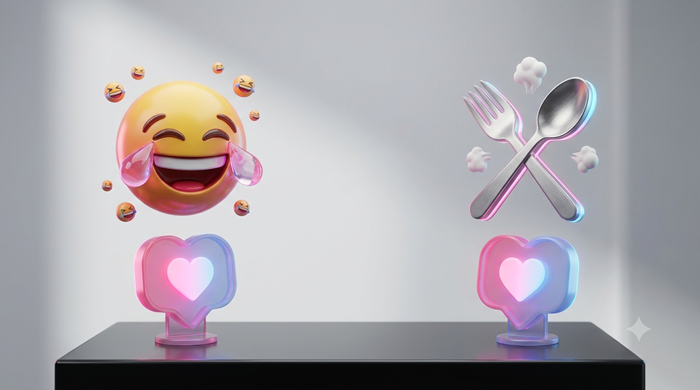
YouTube just rolled out one of its most disruptive design updates in years. The platform is officially retiring the iconic thumbs-up design for its short-form feed and introducing a heart icon instead. Alongside this change, the dislike button has completely vanished from the vertical video player interface.
If your brand relies on video content to drive traffic, leads, and brand awareness, this shift changes everything. Developing a successful youtube shorts strategy requires more than just making catchy videos; it demands a deep understanding of how user interface design impacts viewer psychology and algorithmic distribution. When the interface changes, user behavior shifts, and the algorithm adapts immediately.
Navigating these algorithmic updates requires an agile approach to digital growth. Businesses often search for reliable digital marketing services near me to keep pace with these rapid platform transformations. Whether you manage your content in-house or partner with an agency, refining your youtube shorts strategy is critical to maintaining your organic reach.
The Evolution of Engagement on the Platform
The shift from standard thumbs-up icons to hearts marks a massive behavioral realignment for YouTube. For over a decade, the platform built its identity around binary feedback: viewers liked content or disliked it. Long-form video essays, tutorials, and live streams thrived on this feedback loop.
However, short-form content operates on entirely different psychological triggers. When users scroll through a fast-paced vertical feed, their decision-making window is incredibly brief. To build a future-proof youtube shorts strategy, you must understand that this modernization alters how viewers express appreciation and how the underlying system measures positive engagement signals.
This change highlights a broader trend across the entire digital ecosystem. The game plans that worked a decade ago simply do not cut it today. If you look at the trajectory of online visibility, comparing SEO Then vs SEO in 2026 shows that every major platform is moving away from manual inputs toward fluid, behavioral user signals. Your brand’s modern youtube shorts strategy needs to reflect this shift toward automated behavior tracking.
Why the Dislike Button Disappeared from Vertical Video
The total removal of the dislike button from the vertical feed is the most controversial aspect of the recent changes. While the public dislike counter was hidden across the platform years ago, the physical button remained available as a tool for viewers to tune their recommendations. For short-form clips, that option is gone, forcing a massive pivot in your overarching youtube shorts strategy.
The platform removed the button to streamline the interface and reduce negative friction. In a rapid-consumption environment, a dislike button often encourages snap judgments or coordinated downvoting campaigns that hurt creator retention. By removing it, the interface forces a cleaner, more immersive viewing experience.
However, removing a negative feedback button does not mean negative feedback stops existing. It simply changes form. Instead of clicking a button, an unsatisfied viewer will now perform an action that hurts your metrics even more: they will swipe away immediately. This reality means your updated youtube shorts strategy must focus heavily on keeping eyes on the screen from the very first frame.
How the Algorithm Adapts to Hidden Metrics
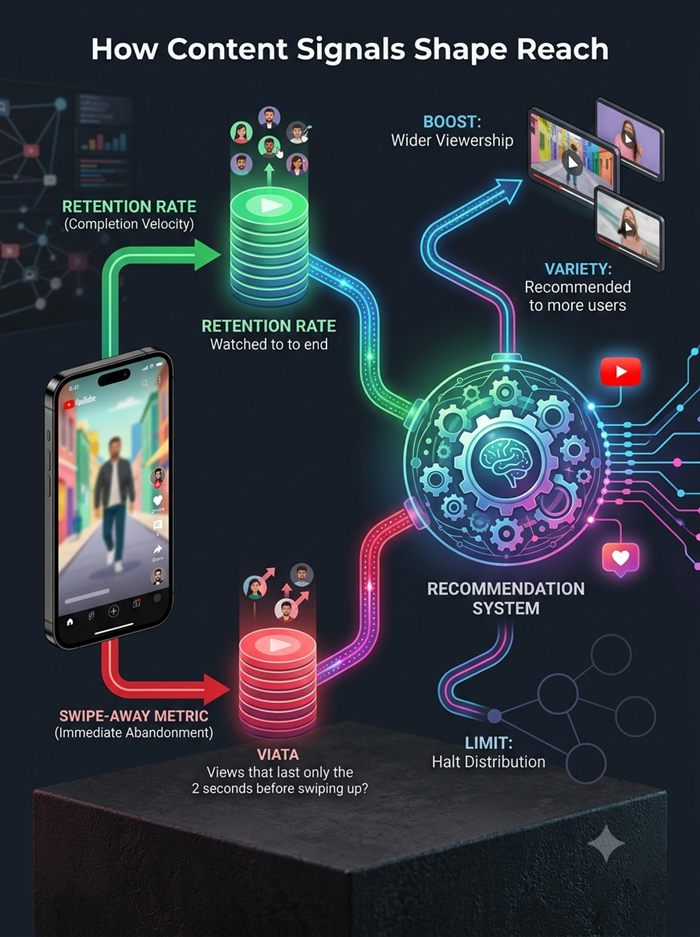
Without a direct dislike button, the recommendation system must find new ways to identify low-quality or irrelevant content. The algorithm now relies almost entirely on passive behavioral signals rather than explicit button presses, which fundamentally alters your youtube shorts strategy.
Retention Rate and Completion Velocity
The primary metric for distribution is now completion velocity—how quickly a viewer watches your clip to completion without skipping. If a user swipes away within the first two seconds, the algorithm registers that action exactly like a dislike. A data-driven youtube shorts strategy must treat the swipe-away rate as your primary enemy. If your retention drops below threshold levels in the opening moments, the algorithm will halt distribution to broader audiences.
Explicit Curation via Menus
When a viewer truly dislikes a piece of content or finds it offensive, they must now open the three-dot options menu to select options like “Not Interested” or “Don’t Recommend This Channel.” Because this action takes more effort than hitting a dislike button, the algorithm weighs it heavily. If a clip receives even a small percentage of these manual negative signals, your organic youtube shorts strategy will suffer as distribution drops significantly.
Understanding where to allocate your creative resources between organic content systems and paid placement is a common challenge. Choosing between SEO or PPC requires an analysis of your immediate revenue needs versus your long-term brand equity, especially when platforms alter their organic distribution loops overnight. Balancing these channels should always run parallel to a well-optimized youtube shorts strategy.
Rewriting Your 2026 Creative Blueprint
To survive and thrive under this new framework, creators and brands must restructure how they plan, film, and edit their vertical content. A lazy approach to video production will break your distribution, meaning your youtube shorts strategy must prioritize relentless pacing. You can no longer rely on slow builds or standard introductory statements.
First, your opening hook must be visually and audibly undeniable. Since viewers cannot click a dislike button to show disapproval, their thumb will automatically swipe up if they feel bored. The first two seconds must present a clear problem, a stunning visual, or an intriguing question. A smart youtube shorts strategy completely avoids logo animations, generic greetings, or secondary introductions at the start of your videos.
Second, your call-to-action language needs a complete refresh. For years, creators told audiences to smash the like button. That phrasing now feels outdated in a feed dominated by hearts. Your updated youtube shorts strategy must include scripts and on-screen graphics that explicitly ask for a heart or a save. It sounds minor, but matching your verbal cues to the exact visual icons on the screen improves conversion rates on user engagement.
Finally, design your videos for looping. Because retention and watch time carry more weight now, creating seamless transitions where the end of the video flows perfectly back into the beginning can artificially boost your completion metrics. When the algorithm sees users watching your content multiple times over, it triggers a massive push into more user feeds, which is the ultimate goal of an advanced youtube shorts strategy.
Optimizing for Multi-Platform Discovery
While adapting to the internal interface changes is crucial, a modern youtube shorts strategy should also leverage external search and discovery patterns. Video content no longer lives in an isolated silo; it increasingly influences how people search the web.
For instance, modern search behavior relies heavily on natural conversational patterns. Ignoring how mobile users interact via audio search is a massive blind spot, and understanding how voice search is costing Indian small businesses visibility highlights the importance of optimizing all your digital assets for natural language. When you cross-optimize your video titles, descriptions, and automated transcripts for conversational queries, your youtube shorts strategy will successfully rank your content in both traditional search results and mobile video feeds.
Technical Execution and Workflow Adjustments
The removal of standard interface elements means your visual real estate has shifted. The new heart icon, comment placement, and share buttons occupy specific coordinates on the right side of the screen.
When editing your files, keep all essential text, captions, and visual focus points inside a safe zone grid. Any text placed too close to the right edge will sit directly beneath the new heart icon, making it unreadable and frustrating for the viewer. Your production team’s youtube shorts strategy must keep primary captions centered and positioned slightly lower than mid-screen to guarantee maximum readability across all mobile device screen ratios.
Additionally, maintain a consistent upload schedule to feed the algorithm steady data points. The recommendation system analyzes how initial core audiences respond to your content within the first hour of publication. By establishing a predictable posting cadence within your youtube shorts strategy, you ensure your active subscribers are online to provide those vital initial positive watch-time signals.
The Long-Term Outlook for Vertical Video Brands
The transition to a heart-centered interaction model reflects a mature platform that understands modern consumption habits. YouTube is ensuring its short-form product remains competitive, highly addictive, and clean for advertisers.
For businesses and content teams, this update is a reminder that organic reach is always rented, never owned. The brands that achieve sustained growth are those that do not complain about interface changes, but instead study the underlying shifts in user psychology. By prioritizing instant hooks, seamless loops, and flawless safe-zone editing, you can turn this layout adjustment into a major competitive advantage for your brand.
Refining your youtube shorts strategy for the current year is an ongoing process of testing, analyzing data, and pivoting. Keep a close eye on your analytics dashboard, monitor your swipe-away percentages, and ensure every piece of content you produce respects the fast-paced nature of the modern vertical feed.
Frequently Asked Questions
Why did the youtube shorts design change from thumbs to hearts?
The platform introduced the heart icon to standardize the short-form viewing experience and match global user interaction habits across social media.
Where did the dislike button go on vertical video clips?
The dislike button was completely removed from the vertical player interface to reduce interface clutter and minimize negative feedback loops.
How does the removal of dislikes affect my video performance?
The algorithm now places much higher weight on swipe-away rates and completion metrics to determine if viewers dislike your content.
Should I change my verbal calls to action in my videos?
Yes, you should update your scripts to ask viewers to leave a heart or save the video to match the new visual interface icons.
Will the dislike button disappear from long-form content too?
No, the classic dislike button remains active and unchanged on standard long-form video uploads and live streams.